Egyptian Flag Bluework Review
First Impressions of Egyptian Flag Bluework
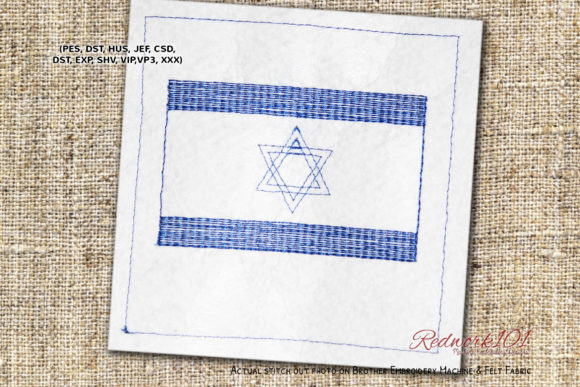
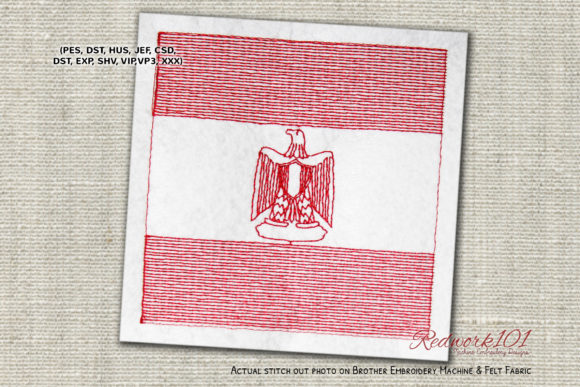
The Egyptian Flag Bluework design immediately catches the eye with its bold, recognizable shape and clean lines. The use of blue as the primary color gives it a calm, professional feel that can fit into a variety of projects. The layout is straightforward, making it ideal for embroidery files that need to be clear and easy to stitch.
This design feels like it belongs on custom apparel, especially items like tote bags or sweatshirts where a strong visual statement is needed. It also has potential for baby items or nursery decor, where simplicity and clarity are key. The overall mood is respectful and dignified, which makes it suitable for both personal and commercial use.
Real-World Embroidery Performance
When considering real-life embroidery situations, Egyptian Flag Bluework performs well in most standard applications. It works well on t-shirts, caps, and aprons, where the design can stand out without being overwhelming. However, the design’s size and detail level mean it may not be the best choice for small hoop sizes or intricate fabric textures.
For custom apparel or sweatshirt embroidery, this design holds up well. It’s also a good option for embroidered patches or tote bag designs where the flag can be the main focus. The simplicity of the design allows it to be stitched quickly without requiring excessive time or resources.
On baby clothes or other delicate items, care should be taken to ensure the stitching doesn’t become too dense. This is especially important when working with thin or stretchy fabrics, where too much stitch density can cause puckering or distortion.
Where to Use with Caution
While Egyptian Flag Bluework is versatile, there are some situations where it may not perform as expected. On dark fabrics, the blue color might not stand out as well, so it’s worth testing with different thread colors or adjusting the design if needed. For textured or stretchy fabrics, the design could lose some definition, so using the right stabilizer is crucial.
Curved surfaces like caps or hats can be challenging, as the design may not sit flat or maintain its shape. In such cases, it’s better to consider a simpler design or adjust the layout to fit the surface better. Tiny lettering or detailed corners might not come through clearly, so it’s wise to check the design at full scale before committing to a project.
Dense stitch areas can also be an issue, especially if the design is used as a decorative accent. In these cases, reducing the stitch density or simplifying the design might help improve the final appearance.
Impact on Visual Appeal and Product Value
Egyptian Flag Bluework adds a sense of professionalism and cultural recognition to any handmade product. Its clean lines and strong visual presence make it a great choice for boutique branding or small shop merchandise. When used effectively, it can elevate the perceived value of a finished product, especially when paired with high-quality materials and careful stitching.
For Etsy sellers or craft business owners, this design can be a reliable asset in creating personalized gifts or holiday embroidery projects. Its familiarity makes it easy for customers to recognize, which can increase buyer engagement and trust. It also works well in printable mockups or digital product previews, helping to showcase the design before it’s stitched.
When used in commercial embroidery projects, the design maintains its integrity and appeal, making it a solid choice for branded merchandise or promotional items. However, it’s always a good idea to confirm licensing terms before selling finished items or digital products.
Practical Designer Notes
Before using Egyptian Flag Bluework in any project, it’s essential to test the design on scrap fabric. This helps identify any issues with stitch density, thread color contrast, or fabric compatibility. Checking the design in black and white mockups can also reveal how it will look on different fabric backgrounds.
For small business owners or handmade shop owners, ensuring the design works well on both light and dark fabrics is key. Using the proper stabilizer can prevent puckering or distortion, especially on delicate or stretchy materials. It’s also important to review the design’s details carefully, as even minor elements can affect the final result.
If the design is intended for commercial use, confirming that it meets all licensing requirements is crucial. For digital product sellers, making sure the embroidery file is compatible with common embroidery machines and software can save time and avoid frustration later on.
Final Thoughts on Egyptian Flag Bluework
Egyptian Flag Bluework is a solid choice for embroidery designers and crafters looking for a clear, recognizable design that can be used in a variety of projects. Its simplicity and strength make it ideal for custom apparel, tote bags, and other handmade products. However, like any machine embroidery design, it requires careful consideration of fabric type, hoop size, and stitch density to achieve the best results.
Whether you're an Etsy seller, a small shop owner, or a creative entrepreneur, Egyptian Flag Bluework offers practical value when used thoughtfully. By following best practices and testing the design before use, you can ensure that it enhances your work and meets the expectations of your customers.